Category: Ingredient Spotlight

  • Brown Sugar in Body Scrubs: A Deeper Dive.
    Brown Sugar in Body Scrubs: A Deeper Dive.

    Brown Sugar in Body Scrubs: A Deeper Dive

    When it comes to making body scrubs, some people like to use sugar for drier skin, and salt for more oily skin…

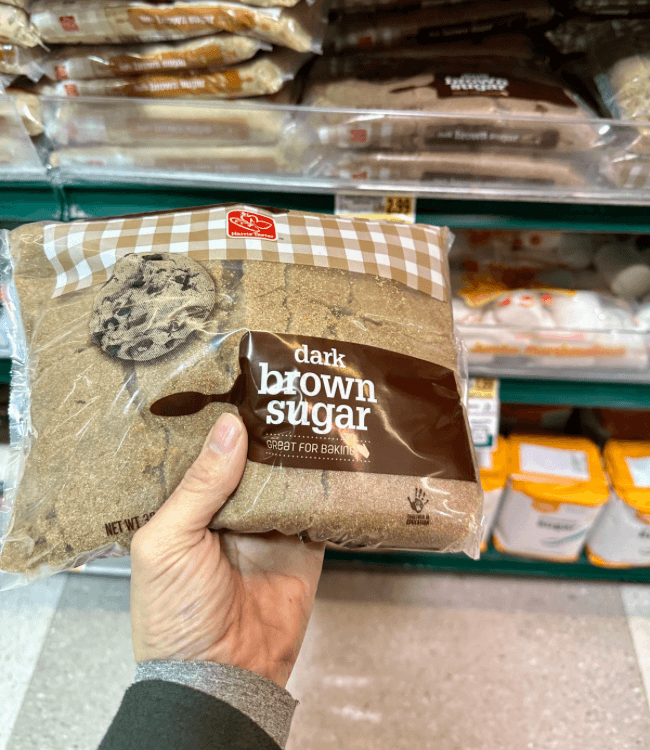
    My favorite ingredient to use in body scrubs – for all skin types – is dark brown sugar.

    I find that it makes a scrub that feels moister on the skin… and it’s very good, especially for sensitve skin. There’s a well known brand that makes a brown sugar scrub especially for people with eczema () When you read the reviews, people love how effective yet gentle it is.

    • Here’s another brown sugar scrub sold in Sephora, it’s pricey – and the main ingredient is brown sugar… ()

    They’re both made with this simple, pantry ingredient! And you can make your own version at home too.

    Here’s what makes brown sugar so special:

    The Magic of Molasses

    First off, the reason brown sugar is, well, brown, is because of molasses. This thick, syrupy goodness isn’t just for flavor; it’s packed with benefits for your skin.

    • Rich in Nutrients: Molasses contains minerals, like magnesium, that interact with the skin’s surface layers. It can help improve the skin-barrier, enhance skin hydration, and provide a natural antibacterial effect.
      • Research Note: This study looks at the effects of bathing in magnesium-rich Dead Sea salt to improve skin barrier functions. The participants bathed for 15 minutes, in a 5% salt solution ()
        – I don’t think we can expect the same level of results in a body scrub (wash off product) but it’s interesting to see how magnesium-rich ingredients work on the skin. I leave the scrub on as a mask to receive more of those benefits.
    • Natural Moisturizer: It helps in locking moisture into the skin, thanks to its humectant properties. Honey works in this way too.
    • Antioxidant properties: Contains polyphenols and vitamins with antioxidant effects. When you use a whole food ingredient like molasses, you get the synergetic effect of the ingredients. The mineral content helps to compliment the actions of the antioxidants.
    A Creamy, Satisfying Texture

    When you apply brown sugar onto wet/damp skin, it melts into a creamy texture that’s just so satisfying to scrub all over yourself. It glides over the skin smoothly, making your exfoliation routine feel like a luxurious experience. Plus, it’s gentle enough not to irritate but effective enough to leave your skin feeling soft and renewed.

    • Recipe idea: This is a brown sugar scrub that I make at home. I love how creamy it is! ()
    That Warm, Comforting Scent

    Let’s not forget about the scent! Brown sugar has this warm, sweet aroma that makes your scrubbing experience even more delightful. This aroma can be incredibly soothing and adds an aromatherapy aspect to your skincare routine.

    • Tip: add kitchen aromatics to enhance the fragrance – for example orange zest, ginger powder, and vanilla extract.

    So, there you have it – a deeper look at why brown sugar is such a fantastic choice for homemade body scrubs. Its combination of skin-loving properties, creamy texture, and comforting scent makes it a standout ingredient. Whether you’re new to homemade scrubs or a seasoned DIY-er, brown sugar is an ingredient that won’t disappoint.

    Get ready to indulge in this sweet treat for your skin!

  • Flowers for Skincare

    Flowers for Skincare

    Flowers are so nice to add to your skincare, they draw you right in elevate the way you feel. Flowers bring beauty, healing and sweet aromatics.

    In this article we’ll look flowers that are not only look beautiful blended into your recipes, but that also have therapeutic benefits too. I’ve written some of the most common flowers used for the skin, and their benefits. 

    And then I’ll give you some tips for how to preserve fresh flowers, to enjoy all year long.

    Flowers for Skincare

    Rose:  Astringent
    Has an astringent action that helps to tighten and tone skin. Rose helps the tissues of the skin, hold in hydration. Considered a heart-tonic, rose is an aromatic nervine that soothes anxiety and uplifts a heavy heart. 

    Chamomile: Soothing 
    Used for soothing inflammation in the skin, calming redness and rashes. Very healing, but also very gentle – Chamomile has long been used to soothe babies. Add chamomile to baths or infuse in oil to apply on the skin. 

    Jasmine:  Aphrodisiac
    With its intoxicating scent, jasmine has an effect on the mood, and mindset. It creates feelings of euphoria. 

    Citrus blossoms: Uplifting
    Lemon, orange, and lime flower blossoms have an uplifting quality, used to help lift the spirits and ease tension. Its aromatherapy can benefit baths, herbal steam treatments, and herbal body oils. 

    Lavender: Cleansing
    Most notably known for its calming and soothing effect, lavender flowers are also incredibly antimicrobial, a great herb for preventing and healing breakouts. Lavender hydrosol is great to mist and clean the skin, lavender infused oil is a great facial cleanser. 

    Passionflower: Calming 
    A calming herb, used to help promote restful sleep – the flowers and leaves also have a calming and soothing effect on the skin. You can use them in the bath, or infuse them into oil for a full body treatment before bed. 

    Calendula: Overall Health
    The flowers have an affinity for the skin, and it’s one of the most popular herbs used in skincare.  Much of the medicine comes from the resins in the flower head, which are mostly found in the green part that hold the petals.  Infuse whole flowers heads in oil to use on your skin, for healing breakouts and wounds, and for nourishing healthy skin overall. 

    Yarrow: Healing
    The flowers are used mainly in healing remedies, to heal bruises, wounds and even to help stop bleeding of cuts and scrapes. 

    Dandelion: Detoxifying 
    The leaves are very bitter (the root more so), which has a cleansing, detoxifying action. The petals are a little sweet, indicating a nutritive quality.

    Daisy: Healing Also known as “poor man’s arnica”, daisies can be infused in oil for a bruise salve or remedy. Used as poultice, it can be applied directly on the skin to help with healing. The flower has mucilage, which is very soothing to dry, inflamed tissues. 

    Elderflower:
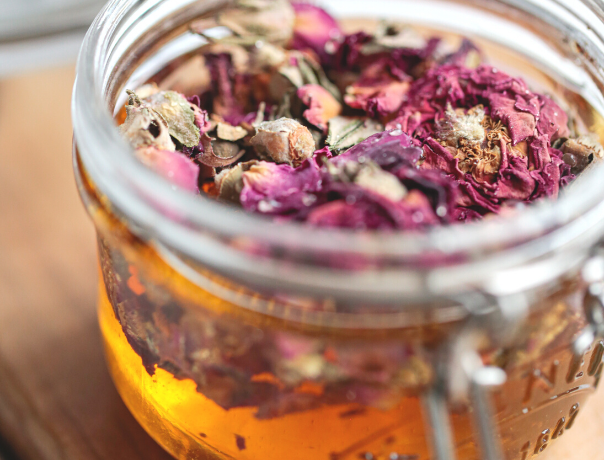
    All parts of the elder are medicinal, used for different things. The flowers contain mucilage (moistening and soothing), flavonoids (antioxidants) and tannins (astringent, tightening toning action). The flowers can be infused in honey, to enjoy as food. Or to use as a facial mask, to clear breakouts, soothe and protect your skin. The leaves can be infused in oil, to help with bruises (combined with daisy flowers). Rub the fresh leaf all over to deter insects. 

    Violet: Cooling
    Both the flowers and leaves are used in skincare preparations, although mostly the leaves. Violets are mucilage rich, very cooling and calming for red-hot inflammation. The flowers can be dried and blended in bath salts, or pressed and used to decorate off bath bombs. 

    Sourcing flowers for skincare

    Grow: When you grow your own flowering herbs, you have access to the freshest blooms, really potent and fragrant. And, for many people, growing herbs brings so much joy, and it part of the healing that nature provides. 

    Forage: You can also forage wild blooms. Sign up for weed-walk classes in your area, its a great way to learn about what grows around you, how to identify it, and how to harvest responsibly. 

    Purchase: You can also purchase a lot of dried flowers from online herb stores, like chamomile, lavender, calendula. Some of my favorite online stores in the US are:

    But its also a good idea to search online for “herb store” or “apothecary near me” – you might be happily surprised and find a local shop that you can support. 

    Also, if you have a good source of herbal tea – a little tea shop or even in supermarkets – you can often find rose tea, lavender, chamomile – to use in your recipes. For years when I first started making natural skincare, my only access to herbs was from the supermarket!

    Preserving fresh flowers

    Drying Flowers: One of the simplest ways to preserve fresh blooms all year long is to dehydrate them.

    I use a dehydrator at home, I can set it very low to gently dry the flowers easily. Here’s an article on the dehydrator that I use. 

    If you live in a dry environment (not humid) you could most likely air-dry your herbs using an airing rack, like this. 

    Pressing flowers:  You can also press flowers, all you need is card board, and something heavy like a cast iron pan or a stack of heavy books.