Category: Ingredient Education

  • Hair Detox:  Mandarin + Jamaican Black Castor Oil Hair Scrub
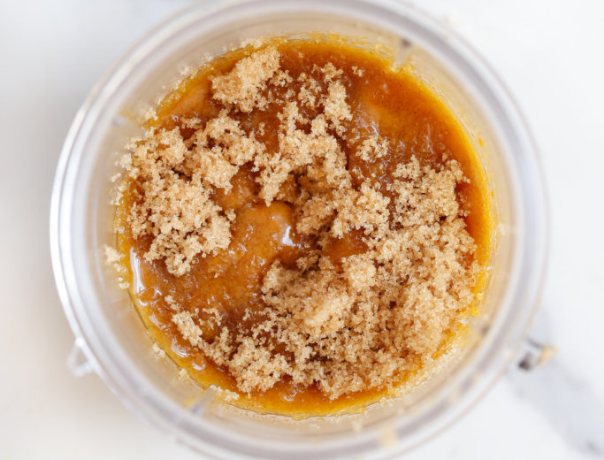
    Hair Detox: Mandarin + Jamaican Black Castor Oil Hair Scrub

    This recipe is sponsored by Tropic Isle Living

    Fall is about to get extra amazing! Because, let’s be real – a good hair day is always an amazing thing 🙂

    Seriously – Grab your fruit bowl. We’re making a fresh food, mandarin + Jamaican black castor oil hair scrub (like a body scrub, but for your head!) that clears away build-up, detoxifies and super-charges your scalp to grow healthier hair!

    Your hair will absolutely shine, any dry summer crunch in your hair will become utterly soft – and if you use this hair detox faithfully – you’ll have longer locks before Christmas!!

    WAIT –  longer hair? YES! It features a very special oil that I’m excited to tell you about, Jamaican black castor oil. For those of us who have stunted hair growth, or even hair loss – you need to know about this oil! 

    Hair Detox - Mandarin + Black Castor Oil Scalp Scrub | littlegreendot.com

    Jamaican Black Castor Oil.

    This is the oil that makes your hair G.R.O.W.

    Coconut oil is brilliant for deeply moisturising hair, hemp oil is strengthening full of protein. And black castor oil has been long used to stimulate hair growth.

    Amazingly castor seeds have been found in Egypt since 4000BC – the seeds roasted to make black castor oil for various health remedies. The recipe was brought to Jamaica over 400 years ago where it’s still made in the same traditional way.

    It’s a very special oil, that has a purging effect on our skin – pulling out impurities. Its even used topically to relieve the body of cramps and aches. It’s cleansing, removes toxins and promotes healthy skin and scalp.

    Hair Detox - Mandarin + Black Castor Oil Scalp Scrub | littlegreendot.com
    When you massage Jamaican black castor oil onto your scalp, it clears out any blockages and promotes healthy follicles –  so that your hair can grow, grow, grow!

    Did you know: you can also use Jamaican black castor oil to grow your eyelashes and to restore your eye brows (if you also over-plucked, years before bushy eyebrows became chic, and they never quite grew back the same again ??)

    Have a read of testimonials of people using Jamaican black castor oil to grow their hair, reporting changes within weeks!

    Hair Detox - Mandarin + Black Castor Oil Scalp Scrub | littlegreendot.com

    Mandarin.

    There’s an incredible, good-hair-day, active ingredient in mandarins, called salicylic acid – and it’s going to make you look at your fruit bowl completely differently!

    Salicylic acids are a form of BHA (the expensive stuff in jars) – when you massage it onto your scalp, these gentle acids go.to.work – eating away buildup that’s on your scalp, even loosening up dandruff and flaky skin – if you’ve got it. 

    Other fruits with salicylic acids are: apricots, avocado, tomato, pineapple, plum, grapes, strawberry, blackberry and blueberry.

    But what I love especially about mandarins, are the way they create a beautiful shine!

    PS: We’re also adding in the peel – which is full of mandarin essential oil – an antiseptic that cleanses your scalp and treats dandruff.

    Hair Detox - Mandarin + Black Castor Oil Scalp Scrub | littlegreendot.com

    Brown sugar.

    This is the scrubby part of this recipe, that gives your scalp a really good cleansing and detox.

    As you scrub it onto your scalp, it melts into a creamy syrup that feels rich and lush (not at all sticky!!!) so satisfying!

    Hair Detox - Mandarin + Black Castor Oil Scalp Scrub | littlegreendot.com

    And oh.my.goodness – the way it smells!! Gorgeous! As you scrub your head, imagine this rich amber, citrus scent dripping onto your skin!! It’s pure joy.

    BIG TIP: That thick syrup is an amazing body mask too – so leave it on, massage it in – your skin will feel super soft and lovely.


    How to scrub your scalp (and feel amazing in 5 minutes)

    Make your scrub right before you plan to shower.

    Real talk: Please don’t tell yourself that you don’t have time… we tell ourselves that far too often but self care moments are always worth it. No one has ever said  – I wish I hadn’t spent that time treating myself well ?

    Get in the shower and wet your hair. Water helps the scrub to slip and scrub easily. Turn off the water. And then begin massaging the scrub onto your scalp. Try to part your hair  the goal is to get the mandarin and the black castor oil and the scrub on your scalp.

    Imagine that you are scrubbing away blockages. Imagine your hair follicles being deeply cleansed.

    Let the scrub sit on your scalp for at least 5 minutes. Listen to this 5 minute podcast while you’re waiting.

    And then rinse off completely, shampoo and condition as normal.

    Like that – you’re going to come of that shower and into the day –  feeling shinier and softer – inside and out.  I really hope that you give this recipe a try, and give yourself the time to feel just as amazing as you already are!!

    • 1 tbsp Jamaican black castor oil
    • 1 whole mandarin
    • 1/4 cup packed brown sugar
    1. peel and segment the mandarin. With the back of the spoon, remove the white pith.

    2. In a bullet blender – blend up the mandarin fruit and peel – into a slushy pulp. Make sure there are not big bits, try to get it as smooth as possible.
    3. Now, spoon in the Jamaican black castor oil. Mix well to combine.
    4. And then pour in the brown sugar and mix. Some of the grains will melt, but you should still feel enough of a grit to get a good scrub. Test with your fingers. If not, add in more brown sugar.
    5. To use: Get in the shower and wet your hair. Turn off the water and scrub your scalp. Then let it sit for five minutes, rinse off and shampoo and condition as normal.

    If you liked this recipe – share the love – and hit those share buttons below!

    Have you ever tried using black castor oil before? I’d love to know your thoughts!! Leave me a comment below and tell us about your experience.

  • Soothing Vinegar Bath

    Soothing Vinegar Bath

    It’s no surprise that I love turning food into skincare. So much. I can happily spend my days surrounded by herbs, fruit, butters, oils, honey, grains… lost in the process of making. Every time I discover a new way to use a pantry ingredient – it just lights me up. And this vinegar bath, as strange as it may sound, turned out to be one of my favorite experiences!

    Soothing Vinegar Bath | littlegreendot.com
    Did you know that vinegar baths help to soothe sunburns! When your skin is seriously irritated, vinegar helps to rebalance and restore its pH – so that it can get back to its normal, happy state. And it may surprise you to learn that despite its acidic nature – when properly diluted – it’s actually very soothing for your skin. Vinegar has antiseptic properties that relieves pain, it takes away the burning itch of a sunburn and brings down inflammation.

    People with eczema (inflammation of the skin) find a lot of relief with vinegar baths, which helps to soothe the irritation of dry skin.

    Don’t think of this just as a first-aid, in-case-of-emergency treatment. Regular vinegar baths help to maintain healthy skin. It has antibacterial properties that eliminates bad odors and breakouts.

    But, my biggest motivation for a vinegar bath – is my hair. A vinegar rinse is so good at cleaning your scalp and removing buildup – it conditions your hair and makes it feel softer than any product I’ve ever tried.

    So when you bathe, make sure to soak your hair too!

    Soothing Vinegar Bath | littlegreendot.com

    Apple cider vinegar has been a long staple in my skincare pantry. I use apple cider vinegar to make a facial toner that brings my skin back to a happy state anytime something changes. I call it my reset, and it works beautifully!

    But it’s not the most obvious skincare ingredient – and anytime someone asks me – is it safe to use vinegar on your skin? –  I’ll tell them about how mothers use vinegar baths as an age-old remedy to soothe babies skin from painful nappy rashes. It’s been used to heal and treat skin for such a long time throughout history, that it’s well documented as a helpful skin tonic.

    The most important part of using vinegar for your skin is dilution. It is an acid and you must never apply neat vinegar to your skin.

    • For a facial toner or hair rinse: dilute 1 tablespoon into 1 cup of water.
    • For a bath: dilute 1 cup of vinegar into a full bath.

    Soothing Vinegar Bath | littlegreendot.com

    If you’re wondering – but, will it smell like I’m bathing in Kombucha? I’ll tell you – it doesn’t have to.

    You can mask the scent of vinegar with essential oils, but one of my favorite, fragrant remedies is an herbal vinegar which smells delicous – and I’m going to show you how to make it!

    Peppermint + Lavender Vinegar Bath Soak

    These are key summer herbs! The combination is especially good for soothing summer skin:

    • lavender promotes healing
    • peppermint is cooling and alleviates the burn

    Soothing Vinegar Bath | littlegreendot.com


    Soothing Vinegar Bath | littlegreendot.com


    Soothing Vinegar Bath | littlegreendot.com


    Soothing Vinegar Bath | littlegreendot.com


    By blending the herbs into the vinegar we can very quickly create a solution that contains the benefits of all the ingredients. I like to strain it – to remove any fibers that will otherwise make a mess in my bath and in my hair. You live and learn 🙂

    Lavender + Peppermint Vinegar Bath Soak
    to alleviate sunburns and soothe your skin

    • 1 cup apple cider vinegar (“with the mother”)
    • 1 tbsp dried peppermint
    • 1 tbsp dried lavender
    1. Place all of the ingredients in a blender
    2. Blend for 20 seconds, or until all of the herbs have fully broken down
    3. Strain the vinegar and discard the herbs
    4. Pour the herbal vinegar into a warm/hot bath. Soak for 20 minutes

    Soothing Vinegar Bath | littlegreendot.com

  • In the Pantry – How to Use Lemongrass in DIY Skincare
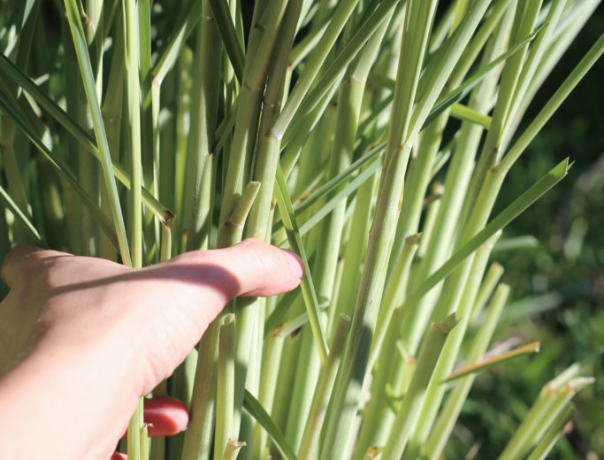
    In the Pantry – How to Use Lemongrass in DIY Skincare

    For a lot of us, lemongrass is one of those special occasion ingredients that we might buy for that one recipe… and end up with stalks leftover in the fridge thinking “what can I do with this?”

    Lemongrass is such a beautiful plant, full of surprising skincare benefits – so this article is all about how to use it in your DIY skincare!

    How to use lemongrass in DIY skincare | littlegreendot.com

    What is lemongrass?

    Lemongrass is a grassy plant, that has a bright, lemon scent and mild citrus flavour.

    It’s very easy to grow – you can propagate a stalk in a glass water! Lemongrass loves sunlight and does well in tropical regions, which is why you often find used in South East Asian recipes.

    But, here in Florida, it grows really well too. My brother has lemongrass growing outside his home – it’s really beautiful for urban (edible) landscaping.

    How to use lemongrass in DIY skincare | www.littlegreendot.com


    What is lemongrass good for?

    When you peel open a stalk of lemongrass, the first thing you notice is the scent! What you’re smelling are the essential oils naturally present, which – other than smelling amazing –  have some really great benefits too!

    MOOD BALANCING: lemongrass has a bright and uplifting scent that lightens things up when you’re feeling bogged down. In aromatherapy it’s used to boost self-confidence, so I love adding it to my morning skincare routine to start the day feeling good!

    CLEANSING: Lemongrass is antibacterial and anti-fungal. It’s very cleansing, makes a good skin toner to clean out pores. It’s really good in DIY products for washing your skin, hair as well as any natural home-care recipes.

    DEODORIZING:  The antibacterial properties of lemongrass also help to eliminate odor-causing bacteria – and like it was designed for the job – it replaces bad smells with a clean, fresh, lemony scent.

    ANTI-INFLAMMATORY:  Wether it’s redness from breakouts, rashes, dry skin or sun exposure – the essential oils in lemongrass helps to bring down that inflammation, calm and soothe irritated skin. Internally it’s also very soothing to the system, if you have stomach issues and inflammation – often lemongrass tea is recommended.

    PAIN RELIEF: Lemongrass helps to calm muscles and promote circulation, which brings pain relief. A lemongrass massage oil, or bath helps to soothe aching muscles and headaches. You can help soothe stomach aches and menstrual cramps, by drinking lemongrass tea.

    INSECT REPELLENT: Lemongrass is a cousin of citronella, and has those same mosquito repelling qualities. Growing the plant in your garden acts as a natural pest control.

    How to use lemongrass in DIY skincare | www.littlegreendot.com


    How do you use lemongrass as skincare?

    When you think of lemongrass for your skin – think of restoring balance.

    • If you’re dealing with oily skin & breakouts, it helps to cleanse and calm.
    • If you’re feeling achy, it helps to soothe
    • If you’re feeling tired, it stimulates.
    • If you’re feeling overwhelmed, it cheers you up.

    Here are five ways that you can use those stalks of lemongrass in your skincare:

    1. Lemongrass Hydrosol: Perfect for summertime, you can spritz your skin with lemongrass hydrosol to keep oily skin from breaking out and to keep the bugs away!Buy yourself a good quality lemongrass hydrosol. I love this brand – but you should know that making your own hydrosol is easier than you can imagine! Check out my SIMPLIFY Skin Spring series, where I show you my simple technique to make a hydrosol, step-by-step.
    2. Soothing Lemongrass Bath Soak: If your muscles are aching – make yourself a lemongrass epsom salt bath. In a blender, blend 1 cup of epsom salt with a few stalks of fresh lemongrass. The long fibers won’t break down fully, but it will open up and expose all of those beneficial essential oils. Scoop the lemony salt into a cloth bag and steep it into a hot bath.
    3. Refreshing Lemongrass Body Scrub: This fresh scrub will cleanse your skin and stimulate circulation. It’s so refreshing! In a blender, mix 1/4 cup of your favorite carrier oil (olive, coconut, rice bran oil…) with 2-4 stalks of lemongrass. Pour the oil through a sieve to remover the fibers. Now, mix 1/2 cup fine sea salt into the bright, lemony oil. Scrub your skin all over, avoiding your face.
    4. Lemongrass Pore Cleansing Steam Facial: Lemongrass is very cleansing, and will clean out your pores. Also, if you’re sick with a cold, it’s really helpful to steam it out!Starting with clean skin – prepare the steam. Slice the fresh lemongrass into a bowl and pour over hot water from the kettle. Place your head over the bowl with a towel draped over to trap in the steam. Breathe in and relax – steaming for 5 minutes.
    5. Deodorizing Lemongrass Foot Soak: A great way to deodorize your feet and treat athletes foot is to soak in warm water steeped with lemongrass. Prepare a strong lemongrass tea, by slicing up 2 stalks of lemongrass and pouring in 1 cup of hot water. Allow it to steep for 15 minutes.While that’s steeping, pour warm water into your foot bath ( large shallow bowl) and then pour in the hot lemongrass tea. You might add in a few drops of oil and epsom salt to soften and soothe your feet. Foot soaks can be one of those things that just seems indulgent... but really, if you’re sitting down anyway – why not? 🙂


    Hope you’re inspired to make something lemony and good for yourself!

    If you happen to have a few stalks in the fridge – pull them out! Or look for lemongrass the next time you’re at the  market. If you can’t find them in your local supermarket, try an Asian supermarket.

    You can also use dried lemongrass for all of these ideas in much the same way!

    Happy making,
    Militza xx

  • Where do I find my natural skincare ingredients?
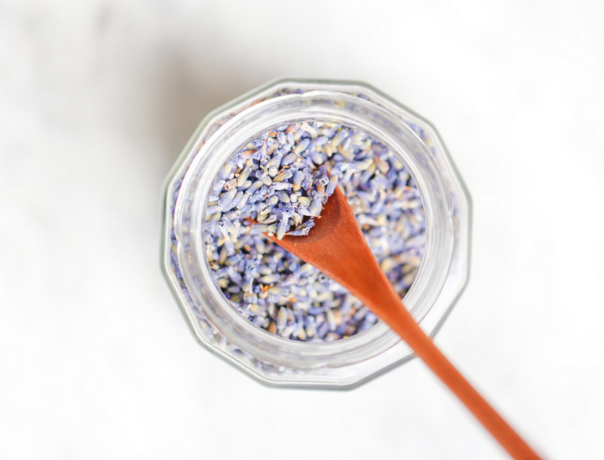
    Where do I find my natural skincare ingredients?

    When you see “dried lavender” in a diy skincare recipe, are you wondering where to find it? Let’s talk about how I get my hands on some of the special ingredients that I use to make my own natural skincare recipes.

    Where do I find my natural skincare ingredients? | Little Green Dot

    Something you should know: I shop for ingredients the way some people shop for shoes!

    cannot walk past a little spice shop, or pantry shop and not say “ah… one sec… I’m just going to pop in quickly

    Especially when I’m travelling or visiting somewhere new, I’ll even check out the local supermarket. Do you do that too? It’s like a tourist attraction for me, my poor kids… but it’s an amazing way to find new and different ingredients!

    The pomegranate molasses of 2015 is still one of my favorite memories.

    Last month, we were in Malaysia for my father-in-law’s birthday and we spent an entire day visiting the famous Twin Towers.

    It’s one of the tallest buildings in the world… but I headed straight for the basement where the supermarkets usually are.

    And let me tell you, I about cried when I saw the tea section! Where I live in Bali, it’s been all about lemongrass tea, rosella tea… ginger…

    So when I saw lavender tea and jasmine tea – I wanted to hug a stranger, I was so happy!

    And it really inspired my new skincare recipe collection for Spring (which is available now!)

    I love having a pantry full of ingredients that I can use in my food and to make skincare with – it gets so much use!! And I love that it always inspires me to create something good for myself and my family.


    Building your skincare pantry


    I often get emails asking me where to buy certain ingredients – and so I thought I’d share three tips with you!

    TIP 1: Become a skincare pantry explorer

    Where do I find my natural skincare ingredients? | Little Green Dot
    In honesty, I don’t love shopping malls… but I adore going to bodegas, farmer’s markets, kitchen supply stores, butcher shops, little bakeries, cute little hipster food shops, delis… this is where the gold lives.

    I’ve found cacao butter in baking supply stores, freshly dried herbs in tea shops, cold-pressed oils from a deli, beeswax direct from a bee-keeper in a farmer’s market….

    It’s hard to know where they are – you really have to ask around, stumble upon it. It’s like going to flea markets on the weekends – sometimes you find a gem.

    My tip here is this: make a habit of going out of your way – to find new things that inspire you!


    TIP 2: Buy in bulk online

    Where do I find my natural skincare ingredients? | Little Green Dot

    For my workshops, I order online and buy dried herbs in bulk, one pound at a time. And in every class people ask me how to do the same. Here’s what I tell them:

    Buying in bulk saves money, period.

    But we don’t want to hoard ingredients. We really want to enjoy and finish the things that we have, while they’re fresh and at their peak.

    That said, if you know that you basically want to drink, bathe, and wear lavender-infused coconut oil everyday – then yes, it’s a good deal to buy your herbs in bulk.

    My big tip here is: only buy in bulk things that you’ve already used and that you know you’ll continue wanting to use.

    Where I buy bulk herbs:


    Tip 3: Know your ingredients

    Where do I find my natural skincare ingredients? | Little Green Dot
    Even if you can’t find a specific ingredients, like a herb to make a specific recipe – remember that you can use what’s available to you – and make swaps.

    For example, I often use herbal tea blends in my recipes which are sometimes easier to find – so if I can’t find Jasmine, I’ll maybe use Jasmine Green Tea instead.

    If another ingredient is more available and you understand how to work with it the world is your oyster. You can easily tweak skincare recipes and create your own blends.

    Case in point: I can’t find dried rose petals in Bali, but recently my friend gifted me a bag of this tea and it was delicious. It also contained bits of rose and smelled amazing!

    So I used most of it for drinking, but I also used a good scoop of it to make a batch of Sweet & Spicy Bath Salts!

    Where do I find my natural skincare ingredients? | Little Green Dot

    My tip here is: get to know how different ingredients work and what they’re good for – it’ll really open your eyes to the possibilities! You can find all the information you need in your local library, on the internet, or in one of my online workshops.

    You can really get creative with what you have!


    I hope this inspires you to explore grocery stores and specialty food shops with a fresh perspective. Surround yourself with good things that make you feel inspired to get creative and make more.

    Also, let me know in the comments where you’ve picked up the best skincare pantry ingredients –  I’m always looking for ideas to pass along 🙂

    xo, Militza


    I’m over the moon excited to tell you about my new skincare recipe book for Spring! It’s bursting with 14 new recipes that are not on the blog. Plus, I filmed two workshop videos specially to show you how to make oil infusions and hydrosols!!

    If you’ve always wanted to make your own natural skincare, but don’t know where to start, this guidebook is for you. I’ve taken everything I know about seasonal skincare ingredients like flowers, herbs and oils that you can use today to make exquisite, effective natural products that are as good as any you’ll find in stores.

    If you already use natural products but are looking for fresh new ideas and useful skills, SIMPLIFY Skin Seasons: Spring will be practical, easy to read, and ultimately help you make skincare that is beautiful, effective and tailored to your exact skin type.

    Check out the brand new collection and get ready to blossom this Spring!

    Check out SIMPLIFY Skin SEASONS: Spring | littlegreendot.com

  • Why innovative skincare makers are adding Borage Oil into their serums
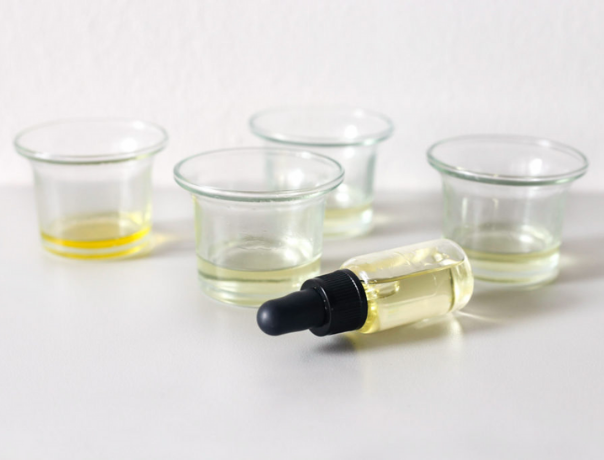
    Why innovative skincare makers are adding Borage Oil into their serums

    Why innovative skincare makers are adding Borage Oil into their serums | littlegreendot.com

    Serums are a skincare staple. A serum is an oil blend that you can use as your moisturiser, your under-eye treatment,  to soothe, heal and protect your skin.  I love using a serum with my mineral powder foundation: you just mix a drop of serum with the powder and it becomes the best quality tinted moisturiser!

    A good serum can make a huge difference – and it can take the place of so many other products in your routine. And this season really is all about using less products!

    Finding a good serum though, comes down to knowing the oils.

    A new oil recently came into my radar that I want to tell you about.

    I came to hear about it from my friend Wendee, who runs her family skincare line, Biconi. Biconi are known for working with incredibly innovative ingredients like noni fruit enzymes.

    Recently, they added borage oil to their new Glow Facial Serum, which is getting amazing reviews!

    You might have heard of Evening Primrose Oil before – it’s known for treating acne and inflammation. Borage oil works very much in the same way, except that it’s much more potent! It’s just a little less known is all…

    Borage oil is great for oily and acne-prone skin, for healing inflammation from pimples, even eczema and rosacea.

    Why innovative skincare makers are adding Borage Oil into their serums | littlegreendot.com

    I learn so much from skincare makers like Wendee – so I thought I’d share some of what I’ve learned about this oil with you. That way, when you see borage oil in a serum – you’ll know if it’s right for you! Let’s get started:

    What is Borage Oil?

    Borage flower, by Ken McMillan | littlegreendot.com

    The oil comes from the borage herb – it’s a hairy plant that makes the most beautiful star-shaped blue flowers! I want to try growing it!

    The entire plant has been used medicinally for different ailments – the flowers, the leaves and also the seeds, which are pressed for their oil. So, borage oil is a seed oil.


    Quick Facts about Borage

    • Borage flowers taste like honey and borage leaves taste like cucumbers.
    • Borage was called the herb of gladness. Romans made a borage wine infusion to take the edge off stress and lift the spirits. In England it was used to treat depression.
    • Borage is mostly used today for its anti-inflammatory properties, internally and externally it calms inflammation in the body from arthritis to eczema.
    • Borage seed oil has the highest known amount of gamma linolenic acid (GLA) of all seed oils, at 20-23% concentration, even higher than the more well known evening primrose oil. GLA has been shown to reduce inflammation.

    Skin Care Benefits of Borage Oil

    • Reduces inflammation in the skin: This is what borage oil is most known for! Because it’s so high in linoleic acid, borage is incredibly good at healing inflammation from acne, pimples, eczema and rosacea.
    • Skin protection: Borage oil soaks into your skin and acts like your own natural oils, sealing in hydration. It forms a very lightweight, but protective barrier, that protects your skin from damage, from irritations and flare-ups

    Borage Oil is a good choice for:

    • Sensitive Skin: If you are susceptible to redness, inflammation or even rosacea – borage oil helps to keep your skin soothed and calm. It also protects against flare ups of eczema.
    • Acne Prone Skin: This oils is amazing for oily prone skin and especially acne prone skin. It’s lightweight, and non-greasy, but what’s amazing is that it’s so high in GLA’s that it actually rebalance the skin and helps to eliminate acne. Many people with acne have a had success using oils high in GLA!
    • Mature/Dry Skin: The protective qualities of borage oil helps to seal in hydration and keep your skin supple. It helps to soothe and heal dry skin, but for dry skin you might want to blend borage oil (to protect your skin) with another more rich oil, like avocado oil for added moisture.

    Final note

    When you think of inflammation, think of borage oil. It’s a soothing and protective oil that’s going to help heal cracked dry skin, it’s going to soothe sensitive skin and even acne.

    Also, take a closer look at Biconi’s Glow Facial Serum. It’s getting amazing reviews, and I’m not surprised at all!

    Photo credit: Borage flower

  • Simplify your Skin – Swap 4 Skin-Care Products with these Whole Foods
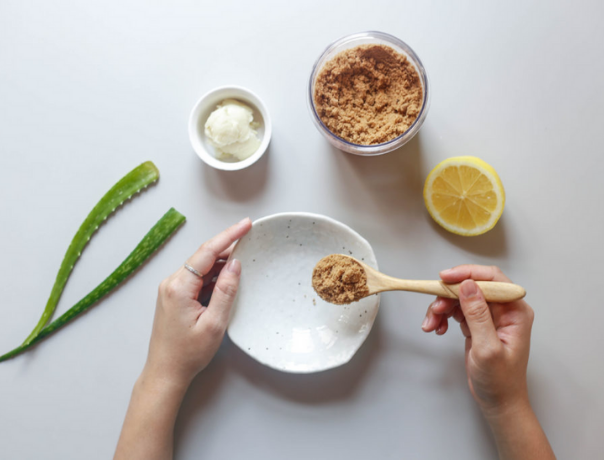
    Simplify your Skin – Swap 4 Skin-Care Products with these Whole Foods

    When I got the privilege to learn natural beauty from makers in Bali, it hit me how I had been overcomplicating my life back home. I stood there watching my teacher make this amazing face mask out of three ingredients: she grated a cucumber with all the juice, the pulp and skin. She mixed in a bit of ground rice and coconut oil. No measurements. No fuss. It was like watching my mother cook in her kitchen.

    And then I tried this simple mask on my skin – and I was blown away. My skin felt fresh and clean and soft. So soft.

    [irp posts=”8530″ name=”Skincare Recipe // Fresh Face & Body Mask”]

    I’m thinking to myself, how much money do we spend on buying expensive products just because they’re natural? Stressing over chemicals, labels, trying to keep up with it all. Filling our cabinets with products that our skin doesn’t need or want.

    The average is 16, that’s how many different types of products we put onto our skin everyday. Watching my teacher work with such simple ingredients sent me home with a fresh perspective.

    The same foods that nourish your body can heal, protect, soften, clean, brighten and enhance your skin.

    Let me show you to show how to swap four common skin-care products with simple whole foods that you probably have in your pantry right now. No measurements. No fuss. Blown away good for you!

    Swap These Four Skin-Care Products with Whole Foods | littlegreendot.com


    Swap 4 Skin-Care Products with these Whole Foods


    Swap your eye-makeup remover with:

    Coconut oil. It’s gentle and nourishing on the delicate skin around your eyes, yet it’s able to break down and remove liquid liners and mascara.


    Swap your face cleanser with:

    Honey. It won’t remove makeup, so it’s best used on morning skin. When you wake up, instead of washing with soap or cleanser, gently massage raw honey onto your face and wash off. Its highly antibacterial, will cleanse your and hydrate your skin.


    Swap your toner with: 

    Apple Cider Vinegar. Our skin likes to be slightly acidic, apple cider vinegar helps to rebalance and restore you pH. Our skin can do this naturally, but a lot of the harsh products, soap  and cleanser knock you off balance. Simply apply it onto a cotton pad and all over your face.

    Dilute 1 tbsp apple cider vinegar with 1/2 cup water.


    Swap your body scrub with:

    Sugar + Oil. My favorite for the body is coconut oil. Incredibly antibacterial, it’s cleansing and full of nourishment that will help repair and protect your skin at a cellular level. For the scrub, try one part fine salt + 1 part soft brown sugar. This is the secret that creates a soft, rich scrub. Pour in your oil until it reaches a wet sand consistency. That’s it.

    This is one of my favorite products to teach, you get that instant gratification, your skin feels amazing! It shows you just how simple it can be to keep your skin feeling and looking its own best. so beautiful!

    For more whole food skincare recipes, join my mailing list where I share fresh new skincare treats each week, along with exclusives that only my subscribers receive.

  • In Our Pantry – Sweet Brown Rice

    In Our Pantry – Sweet Brown Rice

    I’ve been on this recent kick of bringing in a new ingredient into my pantry to play with, most recently: sweet brown rice!

    I’ve also been on a rice pudding kick – so when I saw it in the supermarket – I had to try it out.

    Today, I’ll show how to cook sweet brown rice and how to use it!

    How to Cook Sweet Brown Rice | littlegreendot.com

    If you haven’t tried cooking with it yet, pick up a packet on your next supermarket run! It’s a great pantry item that adds something new to your everyday cooking. It’s a really neat ingredient and there’s so many ways to use it.

    I don’t see myself using sweet brown rice as a replacement for regular brown rice – it’s kind of it’s own thing.

    You’ll reach for sweet brown rice for it’s unique consistency – to give your recipe warmth, chewiness and creaminess!

    What is sweet brown rice?

    Sweet brown rice is a short grain variety of whole grain brown rice. Like all rice, it’s gluten free and a nutritious whole grain to add to your diet. It’s thick and short and cooks up completely different from normal rice….


    How to Cook Sweet Brown Rice | littlegreendot.com


    How to Cook Sweet Brown Rice | littlegreendot.com


    It’s also called sticky or glutinous rice, which has nothing to with gluten… it describes the texture.

    Once it’s cooked, the rice grains will hold their shape, but when they break open – the inside is thick and creamy. It’s really lovely!

    What does sweet brown taste like?

    It has a mild nutty flavour, like regular brown rice, but because of its texture it gives it an almost creamy flavour.

    Despite the name, I don’t find that it’s sweet on its own, but the mild flavour of the rice does work really well in both sweet and savoury recipes.

    How do you store sweet brown rice?

    How to Cook Sweet Brown Rice | littlegreendot.com

    I like to have large mason jars to pour an entire packet of grains out all at once… that way you see what you have and it keeps weevils and moths out of your rice!

    Brown rice has a shelf life of 6 months (the natural oils can go rancid and effect the flavour) If you want it to last longer, stash it in the freezer.

    How do you use sweet brown rice?

    How to Cook Sweet Brown Rice | littlegreendot.com

    Sticky rice is really popular in Asia, and it’s used in many ways. I’ve gotten a lot of inspiration from restaurants here in Bali and played around with different ideas.

    Here are five uses that you might like to try at home:

    • Sushi Rice:

      Sweet brown rice is just like sushi rice, in that it’s soft and sticky.Simply lay out a sheet of seaweed paper.. and on one side only add brown rice and thinly sliced veggies, avocado, mango or tuna fish and then roll tight.

      Slice in pieces – it’s a great portable lunch snack!

    • Sweet Breakfast Bowls:

      If you love oatmeal, you’ll love a sweet brown rice bowl. Pre-cook a bowl of sticky brown rice, it will last in the fridge for 3-5 days.

      In the morning scoop out 1/4 cup of rice, and pour in your favorite milk (I love coconut milk for this!) , some sliced bananas, maple syrup and a tablespoon of nut butter. It’s delicious and fills you up. You can warm up the milk or serve it cold.

      Get inspiration here: Quinoa Breakfasts Bowls, Oatmeal Bowlsjust substitute in the sweet brown rice. 

    • Soup filler:

      A great way to add bulk and creaminess to your soup. Try making a pot of veggie or chicken soup and add a couple handfuls of sweet brown rice. The flavour works well with sweet veggies like carrot, corn and sweet potato as well as coconut milk and spicier curried soups.

      You might also serve a scoop of sweet brown rice alongside a bowl of soup

    • Rice Pudding:

      Sweet brown rice pudding is so comforting and delicious! It’s very popular here in Bali, and made with coconut milk – which, with the creaminess of sweet brown rice – it taste so decadent. I love it!

      To make it: 1/3 cups uncooked sweet brown rice, 3 cups water (or milk), 1 can coconut milk, 2-4 tablespoons honey or maple syrup. Add all the ingredient to a pot and bring to a boil and then simmer for 30-35 minutes. You might add cinnamon, raisins, chocolate chips, vanilla…

    • Risotto:

      The creaminess of sweet brown rice makes the easiest, almost instant, risotto! I found that you can start a pot of sweet brown rice as normal, and just at the end add in a knob of butter, a splash of milk and grated parmesan. It’s amazing!

      You might want to start the rice with sautéed onions, and add in any veggies that you love too.

    How do you cook sweet brown rice?

    This is the same recipe that’s on the packet, it works every time and is really simple to make. Let me show you a step-by-step:

    Step One: The proportions are one part sweet brown rice, two parts water (or stock) Easy!

    How to Cook Sweet Brown Rice | littlegreendot.com

    Step 2: First of all rinse your rice well

    sweet-brown-rice_-11

    Step 3: Then pour it all in a pot and add 1/4 teaspoon of salt

    How to Cook Sweet Brown Rice | littlegreendot.com

    Step 4: Pour in the water. And we’re ready to cook it up…

    How to Cook Sweet Brown Rice | littlegreendot.com
    Step 5: Set it to boil, and then turn the heat down to a simmer and cook covered for 30 minutes.

    After 30 minutes, shut off the heat but don’t open the lid!
    Let it sit for 10 minutes. No peeking! I peeked for you…


    How to Cook Sweet Brown Rice | littlegreendot.com


    How to Cook Sweet Brown Rice | littlegreendot.com


    Now it’s ready for you to use in any way you want! It’s not light and fluffy – this rice is definitely chewy and creamy! Perfect for a warm, comforting bowl of something good!

    How to Cook Sweet Brown Rice | littlegreendot.com
    I’d love to know: have you cooked sweet brown rice before? What’s your favorite way to eat it?

    How to Cook Sweet Brown Rice | littlegreendot.com


    Militza recommends:


    brownrice


    coconutmilk


    jars


  • Six supermarket vegetable oils that your skin will love!

    Six supermarket vegetable oils that your skin will love!

    SixOilsYourSkinWillLove
    For many, the idea of putting something on our skin that we’d normally put onto a salad sounds… insane. But once you get over this mental hump – you’ll find the idea of using overly fragranced, chemical-laden lotions even crazier! Vegetable oils are natural emollients, packed with vitamins and nutrients recognised by our body. Your skin will not only be soft, but also nourished.

    If  like me, you find yourself shopping for skincare in a supermarket aisle, I promise you’re not crazy and you’re not alone! People have used plant oils as skincare for centuries – we just seemed to have forgotten – so, let’s change that!

    Take a look at these six simple oils. Everyone’s skin is different and finding the right one means experimenting. You can use them directly on the skin, to make a scrub or body butter, or add a few drops of oil in rosewater or aloe vera juice for a moisturising spray. The best part is that if for any reason your skin doesn’t like a particular oil, there’s no waste. Just go back to making that salad!

    Try one out, and see if it works for you!

    1. Sweet Almond Oil

      good for: all skin types

      A neutral scented oil, light enough to use all over the skin, on the face and body. It’s packed with vitamin E which is incredibly healing and protective on the skin.

      how to use this oil: Makes a great base oil for making body oils, body butters, body scrubs, creams or to use directly on the skin as a moisturiser.

    2. Olive Oil

      good for: all skin types, dry skin

      An incredibly nourishing oil, we’ve been using it as skincare for a long time now! The ancient Egyptians knew what they were doing – they prized olive oil for it’s moisturising and beautifying properties. Olive oil has major antioxidants which work to heal, protect, nourish the skin.

      how to use this oil: Great for skin and hair, you can apply it on directly or use it in any of your skincare recipes that call for a natural oil.

    3. Coconut Oil

      good for: all skin types

      One of my favorite oils – it’s great for both skin and hair. 50 percent of Coconut oil is a fat called Lauric Acid, which is naturally found in human breast milk – making it easily recognised and useful for our bodies to nourish and protect the skin. It’s incredibly antimicrobial, which cleanses the skin as well.

      how to use this oil:  You can use it directly on the skin, it makes a great eye-makeup remover. It’s also great to mix into your skincare recipes and it makes a great intensive hair moisturiser – but don’t use too much, you’ll spend days washing it out!

    4. Avocado Oil

      good for: dry skin

      A rich and lovely oil for the skin and hair, it’s very nourishing full of protein, fat and antioxidants. It helps to treat skin conditions like sunburn and diaper rashes, it boosts collagen production and softens the skin.

      how to use this oil: This is great to moisturize under the eyes, to treat dry skin and as protein rich hair treatment. You can blend it with other oils or use it on it’s own on trouble spots.

    5. Macadamia Nut Oil

      good for: dry skin/ mature skin

      Macadamia oil is interesting because it has a high fatty acid profile. This helps with cellular regeneration, giving it anti aging properties. It’s light weight/medium oil that doesn’t feel greasy on the skin, but has a great moisturizing effect.

      how to use this oil: use this oil for very dry skin, to treat dry patches or soothe skin conditions. You can mix in a little with another oil to boost moisturizing properties. it’s great to add into your recipes to create anti-aging remedies.

    6. Grapeseed Oil

      good for: oily skin

      A light oil, extracted from the seeds of grapes left over in winemaking. Grapeseed oil is packed with Vitamin E, a powerful antioxidant and skin brightening vitamin C. It helps to nourish the skin and balance the skin’s oil production – making it great for acne prone skin.

      how to use this oil: Grapeseed oil is very light and non-greasy, so you can use it directly on the skin. Many people like using it on their face and for under the eyes.

    . . . . . . . . . . . . . . . . . . . . . . . . . . . . . . . . .

    The brand of oil doesn’t matter as much as how the oil was expressed. Chemical and heat destroy the oils natural properties, so always buy: Cold-pressed, Virgin and unrefined oils only. Read the label and make sure it says it!

    ps – I’ve linked the oils to iHerb, so that you can see them, but you can easily find them in your supermarket too! If you prefer shopping online, I’m an affiliate of iHerb, so using these links helps to support the blog. Thanks for that! 🙂

  • Six Essential Oils that Replace Dozens of Products
    Six Essential Oils that Replace Dozens of Products

    Essential Oils for Every Home

    For the longest time, I thought that having a house FULL of products was necessary.

    We need to clean our windows and wash our dishes and get our hair to behave and prevent b.o. and a million other things… Right?

    So managing all those plastic bottles just become a part of life. Each product serves a purpose.

    And the clutter builds up….

    I can tell you that for a long time I lived in a cluttered home – and I felt stifled.

    It’s that feeling you get when you walk into a room of your house – and you just see bins and containers full of things you’re not even using. Cabinets so stuffed with skincare products, that you forget what you even have. The air heavy with obnoxious chemical cleaners that you think you’re supposed to use…

    One of the things you notice when you go natural, or minimal… is that the overwhelm that we feel in a cluttered home stems from the choices that we make in a retail store.

    And when you feel the way natural solutions like essential oils take care of your needs, suddenly all of those products that we thought were essential – start to lose their appeal – and the overwhelm begins to disappear.

    I’ve learned to embrace the idea of simplicity because, with each year on this journey, I’ve seen my home transform into a place that I walk into and feel happy and healthy and peaceful in.

    And I’m completely confident that you can do the same. 

    A simple way to start, is to get really excited about multi-purpose products – those gems that take care of so many different needs…

    For example, you’ll find me using baking soda around the house almost every day.

    But of all the solutions that have helped to simplify my life – essential oils have been a revelation!

    I’ve seen the amount of household and skincare products that I buy drastically reduce, and the money that I save is amazing! The worry about potential toxins in my home, the clutter  – gone!

    One small kit of essential oils, can replace a cabinet-load of products, eliminate toxins and save you money.

    A few years back I met Alina from Abundant Earth – she’s an herbalist and aromatherapist – basically a walking essential oil encyclopedia.

    Throughout our friendship, I’ve learned to respect oils for what they can do. The more I use them in day-to-day life – the more I fall in love with these little powerhouses. I think you will too!

    Each bottle contains a world of uses. It’s incredible just how much you can do with them.

    So, I asked Alina to share with you her top essential oils that every home should have.

    Start with one and build up your kit… Before you know it, you’ll need less and yet you’ll have so much more available to you!


    Six Essential Oils that Replace Dozens of Products


    Eucalyptus (Eucalyptus radiata)

    One of the best essential oils for decongesting the airways. A potent antimicrobial, it’s effective against airborne bacteria, such as Staphylococci. Relieves muscular aches & pains.

    How to use it: Make an antimicrobial room spray. Combine 40 drops Eucalyptus, a teaspoon of vodka/gin and half a cup of purified water in a spray bottle. Use during colds, flu and when you are generally run down.

    Where to buy it: Singapore | International


    Lemon (Citrus limon)

    A powerful detoxifier & antiseptic. Great for alertness & mental clarity.

    How to use it: Minimise irritants and allergy triggers by using natural home cleaning products. 50 drops of Lemon essential oil to a solution of 1/4 cup water – 1/4 cup vinegar makes a wonderful natural surface spray and general home cleaner.

    Where to buy it: Singapore | International


    Lavender (Lavandula angustifolia)

    The mother of all essential oils. One the safest, most versatile oils. Useful for burns, insect bites, headaches, insomnia, pain, inflammation and more.

    How to use it: One of the best oils for insomnia. Drop 1-2 drops on your pillow for a better quality sleep.

    Where to buy it: Singapore | International


    Rosemary (Rosmarinus officinalis)

    A stimulating mental tonic that has shown to be effective in improving memory. Great for easing muscular aches and tightness, and improving poor circulation.

    How to use it: Add a couple of drops of Rosemary essential oil to your loofah or body wash while showering, for a refreshing pick me up.

    Where to buy it: Singapore | International


    Peppermint (Mentha piperita)

    Invigorating, cooling, analgesic (releives pain), anti-itch.

    How to use it: Soothe and cool itchy angry skin with 2 drops of Peppermint essential oil in a tablespoon of aloe vera gel.

    Where to buy it: Singapore | International


    Tea Tree (Melaleuca alternifolia)

    Powerful antifungal & antiseptic.

    How to use it: Combat fungal nail infections by massaging a blend of 15 drops of Tea Tree essential oil to a tablespoon castor oil into your nail beds.

    Where to buy it: Singapore | International


    Do you use essential oils in your home? Share your favorite uses in the comments. And if you haven’t started yet, tell me which one you’re most excited to start using!

  • How to make the most of your basil, before it wilts
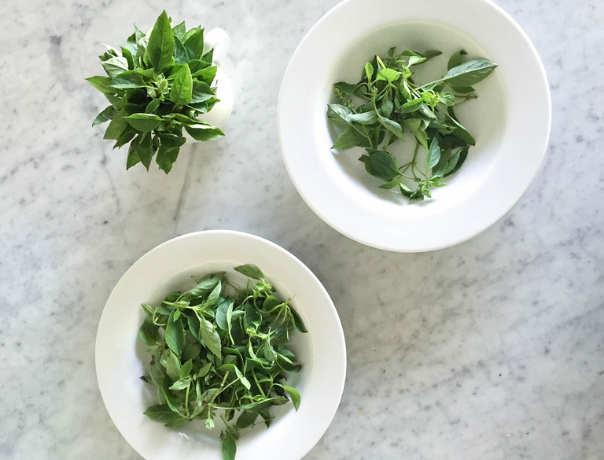
    How to make the most of your basil, before it wilts

    How many times have you picked up a gorgeous bouqet of fresh basil, only to watch it wilt exactly 28 minutes after bringing it home? 

    herbs

    Unless you’re making pesto, you only really need a few springs for dinner… so what do you do with the rest of it?

    Put it in the fridge and it’ll turn brown, leave it out and it’ll shrivel up.

    Not any more! Let me show you a tip for how to use up the whole bunch, in three different uses.

    herbs-2


     How to make the most of your basil,
    before it wilts


     Make a bouquet: 

    Basil thrives when treated like a bouquet of flowers. Gather a bunch and use a twist-tie to hold the delicate pieces together. Trim the stem and place in a container of fresh water. This will keep right on your counter-top for days (versus minutes!)

    Bouqet
    Snip leaves as you need, sprinkle it on your salads and pastas. Basil comes in so many varieties and you’ll add tons of flavour to a simple meal.

    If you’re lucky, it may even last long enough to shoot roots. You can then plant it in a pot and have your own basil plant.


     Freeze for later:

    freeze-basil-animation

    To freeze your basil, all you need to do is remove the stems and cover the leaves in olive oil.

    You can use a cube to start your meals, to sauté veggies or make a quick pasta aioli that tastes fresh and flavourful.

    Once they freeze, transfer the cubes into a freezer ziploc bag and label it so you don’t forget about it!

    Don’t make a million cubes – make what you believe you will make use of and enjoy in the next week or two.


     Turn it into skincare:

    Basil is a natural skin cleanser and purifier –  full of antioxidants and antibacterial properties – it helps to protect your skin and clear away breakouts.

    bathtea

    Plan for a little self-care session when you bring home fresh basil.

    You can blend a handful of basil and mix it with yogurt  for a skin cleansing and moisturizing mask.

    Or, what I love is making bath soaks. In a mesh or organza bag, add rolled oats and a handful of fresh basil. Place the bag in a warm bath and the oats will release a silky gel that is exceptional at soothing and moisturising your skin. The basil will steep in the warm water and release its beneficial properties that cleanse, purify and protect your skin. The combination is beautiful.

    A good idea is to grind the oats first into a powder. Basil pairs well with essential oils like geranium and lavender, add a few drops in too. Your skin will smell and feel gorgeous!


    Go ahead and confidently pick up some fresh basil at the farmer’s market. With these tips, you’ll never have to watch your fresh herbs wilt away again!

    I’d love to know, what tricks and tips you have up your sleeve for preserving your delicate herbs like basil. Let us know in the comments below.